Easy Steps to Set Up Your Streaming Device
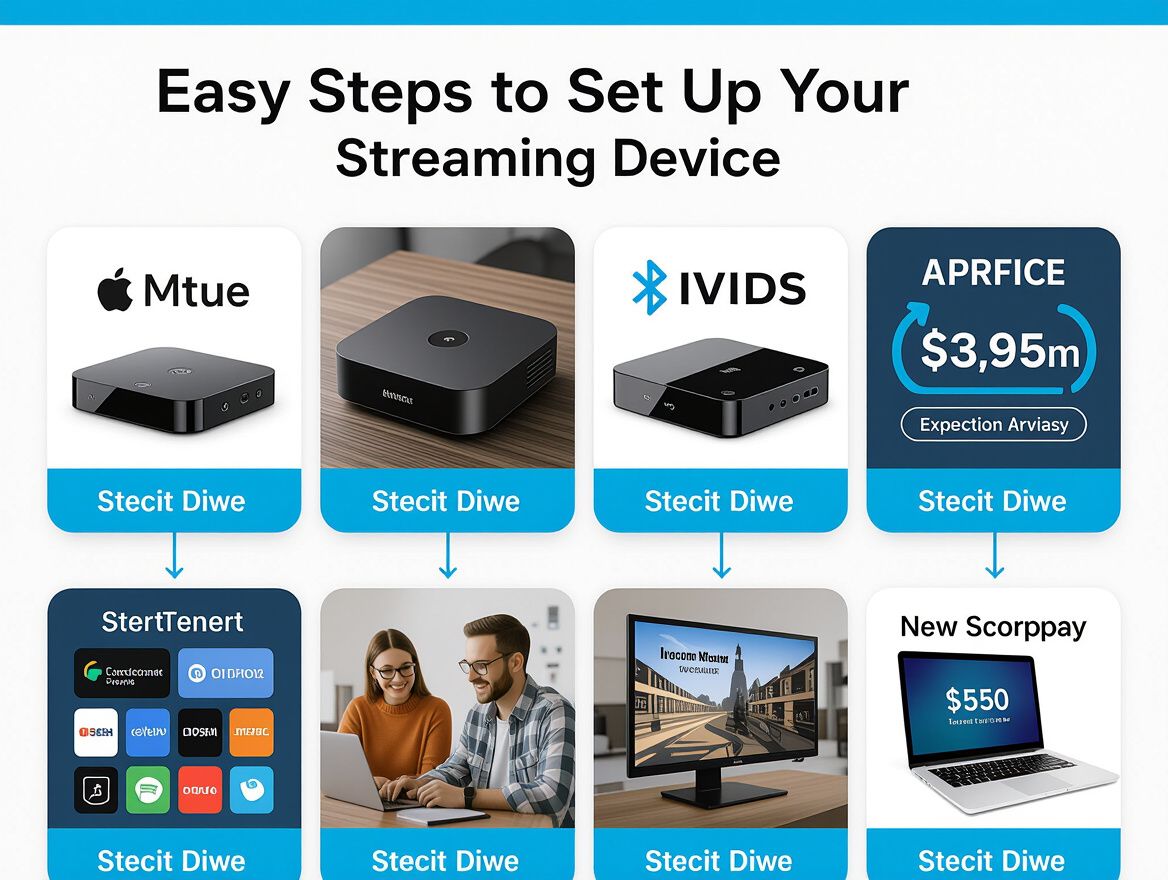
Learn how to easily set up your streaming device with this step-by-step guide, covering connections, Wi-Fi, app downloads, and troubleshooting.
Setting Up Your Streaming Device: A Step-by-Step Guide
I. Introduction to Streaming Devices
The way we consume entertainment has dramatically transformed, with streaming services now at the forefront of home viewing. Gone are the days of being limited to scheduled broadcasts; today, a world of on-demand movies, TV shows, and live content is just a click away. At the heart of this revolution is the streaming device, a small yet powerful gadget that unlocks a universe of digital entertainment. These devices offer unparalleled convenience, a vast array of choices, and often a more cost-effective alternative to traditional cable packages. Popular options you might encounter include versatile players like Roku, the feature-rich Amazon Fire TV, the premium Apple TV, and the adaptable Google Chromecast. This guide is designed to offer a clear, actionable plan for anyone looking to setup streaming device and start enjoying their favorite content, providing a comprehensive streaming device setup guide.
II. Getting Started: What You'll Need
Before you embark on the journey to setup streaming device, gathering the necessary components will ensure a smooth and efficient process. You’ll want to have your new streaming device and all the accessories it came with readily available. Essential cables typically include an HDMI cable, which is crucial for connecting the device to your television, and a power adapter to supply electricity.
A stable and reasonably fast Wi-Fi network is paramount; your streaming device relies on it to deliver content without frustrating buffering. In terms of accounts, ensure you have an email address and passwords ready for any streaming services you plan to use, and potentially a manufacturer-specific account. Finally, you'll need a compatible television that features an HDMI port, which has become standard on most modern displays.
III. Connecting Your Streaming Device to the TV
A. Physical Connections
The first physical step in your setup streaming device process involves a direct connection to your television. Locate an available HDMI port on the back or side of your TV. These ports are usually labeled "HDMI" and may have a number associated with them (e.g., HDMI 1, HDMI 2). Carefully plug one end of the HDMI cable into the HDMI output port on your streaming device and the other end into the selected HDMI input port on your TV.
Should you encounter issues where the device isn't recognized, common HDMI connection problems can often be resolved by ensuring the cable is securely seated at both ends, trying a different HDMI port on your TV, or even testing with a different HDMI cable if one is available.
B. Powering Up Your Device
With the HDMI connection established, it’s time to power your streaming device. Connect the power adapter to the device’s power port and plug the other end into a working electrical outlet. Some devices may offer the option to power via a USB port on your TV. While this can be convenient, it's generally recommended to use the dedicated wall adapter. This is because TV USB ports may not always provide sufficient or stable power, which may result in intermittent performance or failure to boot correctly. Ensure the device is receiving power, often indicated by a small LED light.
IV. Initial Setup and Wi-Fi Connection
A. Powering On and First Boot
Once physically connected and powered, turn on your television and use your TV remote to select the correct HDMI input source that corresponds to the port where you connected your streaming device. This might be labeled as "HDMI 1," "HDMI 2," etc., on your TV's input menu. Your streaming device should then initiate its first boot-up sequence, which can sometimes take a few minutes. You will likely be greeted with a welcome screen or a series of on-screen prompts designed to guide you through the remaining setup.
B. Connecting to Your Home Wi-Fi Network
A robust Wi-Fi connection is the lifeblood of any streaming device. The on-screen prompts will guide you to connect to your Wi-Fi network. The system will typically scan for available networks in your vicinity. Select your home network name (SSID) from the list. You will then be prompted to enter your Wi-Fi password. Accuracy is key here; even a single incorrect character will prevent a successful connection.
If you encounter issues, review your password, and consider the placement of your streaming device and Wi-Fi router. Ensuring they are not too far apart and are free from significant obstructions can often improve signal strength and connectivity. If problems persist, restarting your modem, router, and streaming device in that order can sometimes resolve network glitches. Trying to connect streaming device to TV and subsequent Wi-Fi setup is a critical step for a smooth experience.
V. Account Setup and Personalization
A. Creating a New Account
Registering an account is a fundamental part of the setup streaming device process. This account serves as your gateway to the device's ecosystem, enabling personalization, content management, and access to app stores. Depending on the brand of your device, you may be prompted to create a new account for that specific platform—for instance, an Amazon account for Fire TV, a Google account for Android TV or Chromecast, or a Roku account for Roku devices.
This process typically involves providing an email address, creating a secure password, and potentially entering payment details if you plan to purchase apps or subscriptions directly through the device's store. Having accurate information available will streamline this step.
B. Logging In to Existing Accounts
If you already possess an account with the device manufacturer from a previous purchase or use of their services, the setup process will usually offer an option to log in with your existing credentials. This saves you the time of creating a new account and instantly links your existing preferences and purchases to the new device.
C. Understanding User Profiles
Many streaming devices and services support user profiles. Creating individual profiles for each member of your household is highly recommended. This is an often-overlooked aspect of streaming player setup that significantly enhances the viewing experience. Profiles allow for personalized recommendations based on viewing history, separate watchlists, and unique parental controls, ensuring that everyone gets a tailored experience.
VI. Downloading and Installing Essential Apps
A. Navigating the App Store
With your device connected and accounts set up, the next step in your streaming device setup guide is populating it with your preferred content sources. Every streaming device features an app store or a similar content marketplace. This is where you can browse and download a vast array of applications. You can typically search for specific apps by name, or explore categories like "Entertainment," "Sports," or "Kids."
B. Downloading and Installing Your Favorite Apps
To install apps, simply search for your desired streaming services like Netflix, Hulu, Disney+, Amazon Prime Video, YouTube, and others. Select the app and choose the "Download" or "Install" option. The device will then download and install the application. Some devices may have limited internal storage, so if you plan to setup streaming device with many apps, it's worth checking the available space and potentially uninstalling any pre-installed apps you don't intend to use.
C. Signing In to Streaming Service Accounts
Once an app is installed, you’ll need to sign in to your individual streaming service accounts within that app. This is distinct from the account you created for the streaming device itself. You'll use the email address and password associated with each specific subscription (e.g., your Netflix login and password) to access your content. This step ensures that your paid subscriptions are linked to the apps on your new device.
VII. Beyond the Basics: Optimizing Your Streaming Experience
While the standard setup will get you watching, there are often advanced options to consider for a truly optimized experience. This is a pro-tip for anyone who wants to go beyond a basic how to set up a streaming device guide.
A. Advanced Settings for Performance
Delving into your streaming device’s settings menu can unlock enhanced performance. Explore network settings to ensure your device is prioritizing streaming traffic, if the option is available. You may also find options to adjust video and audio output. Be sure to configure settings for display resolutions, such as 4K or HDR if your TV supports them, and consider frame rate options for smoother motion, especially if your device offers this granularity.
B. Gaming on Your Streaming Device
Certain streaming devices are capable of more than just video playback; some can function as capable gaming platforms. If your device supports gaming, you can explore its app store for compatible titles. The process for downloading and setting up games is usually similar to installing streaming apps. You might also be able to connect wireless controllers or, in some cases, use your smartphone as a gaming controller.
C. Integrating Multiple Devices and Smart Home Ecosystems
Achieving seamless integration is a hallmark of modern entertainment setups. If your streaming device supports voice assistants like Alexa or Google Assistant, take the time to link it to your smart home ecosystem for voice control. Additionally, explore casting or mirroring capabilities, which allow you to easily stream content from your phone, tablet, or computer directly to your TV via the streaming device. For enthusiasts, some devices might even offer advanced features like multi-room audio or synchronized playback across multiple screens.
VIII. Troubleshooting Common Setup Issues
Even with the best guidance, occasional hiccups can occur during the step-by-step guide to setting up a streaming device. Here are solutions to some common problems.
A. Device Not Powering On
If your streaming device remains unresponsive, first re-check all power connections. Ensure the power adapter is firmly plugged into both the device and the wall outlet. Test the outlet with another device to confirm it's functional. If possible, try using a different power adapter compatible with your streaming device.
B. No Picture or Sound
A lack of video or audio typically points to a connection issue. Verify that the HDMI cable is securely plugged into both the streaming device and the TV. Cycle through your TV's input sources to ensure you have selected the correct HDMI port. Also, check that your TV's volume is turned up and that the streaming device itself isn't inadvertently muted or set to a very low volume.
C. Wi-Fi Connectivity Problems
If you're struggling to connect to your network, try a full reboot: unplug your modem, router, and streaming device. Wait about 30 seconds, then plug them back in, starting with the modem, followed by the router, and finally the streaming device. Ensure you've entered the Wi-Fi password correctly. If the signal is weak, try moving the streaming device closer to your router. Advanced users might need to check their router settings, such as firewall configurations.
D. App Crashing or Not Loading
Application issues can often be resolved by clearing the app’s cache and data through the device's settings menu. It’s also crucial to ensure your streaming device’s firmware and all installed apps are up to date. If a specific app continues to misbehave, uninstalling and then reinstalling it can often fix the problem.
IX. FAQs and Common Mistakes
A. Frequently Asked Questions
- What is the best streaming device for me? The "best" device often depends on your existing ecosystem (e.g., Apple, Android), your budget, and the features you prioritize. Roku offers simplicity and a wide app selection, Fire TV is great for Amazon Prime users, Apple TV integrates deeply with Apple products, and devices like Chromecast are excellent for casting.
- Can I use my streaming device without an internet connection? Generally, no. Streaming devices inherently require an internet connection to access online content. Some may offer limited offline functionality for certain features or pre-downloaded content, but their primary purpose is online streaming.
- How do I update my streaming device? Most devices offer automatic updates, but you can usually check for updates manually within the device's system or settings menu. Keeping your device updated ensures optimal performance and security.
- How do I connect multiple streaming devices to one TV? If your TV has multiple HDMI ports, you can connect several devices simultaneously. You'll simply need to use your TV remote to switch between the different HDMI inputs to access each device.
- What is 4K streaming and do I need it? 4K (Ultra HD) offers a significantly sharper and more detailed picture than standard HD. You'll need a 4K-compatible TV, a compatible streaming device, a fast internet connection, and 4K content to enjoy it. Whether you "need" it depends on your preference and equipment.
B. Common Mistakes to Avoid
- Forgetting to select the correct HDMI input on your TV after making the physical connection.
- Incorrect Wi-Fi password entry, which is a frequent cause of connectivity issues.
- Not creating or logging into the correct account for your streaming device platform or individual streaming services.
- Overlooking firmware updates, which can impact performance, security, and feature availability.
- Ignoring advanced settings that could significantly improve video quality, audio clarity, or gaming performance, making the easy way to set up a new streaming device into a tailored experience.